
Ruby Amatulla
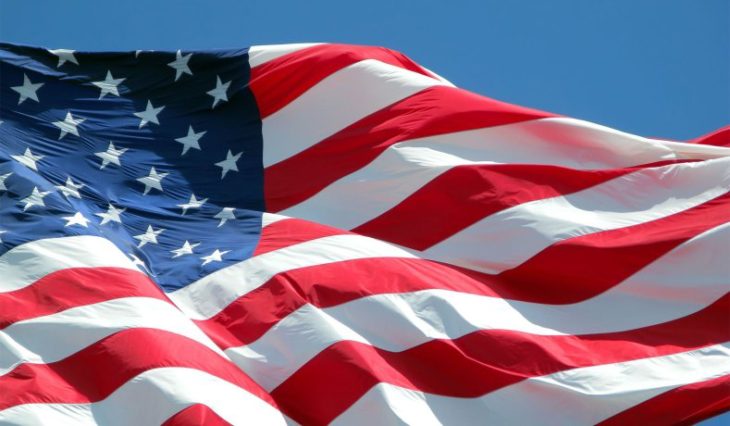
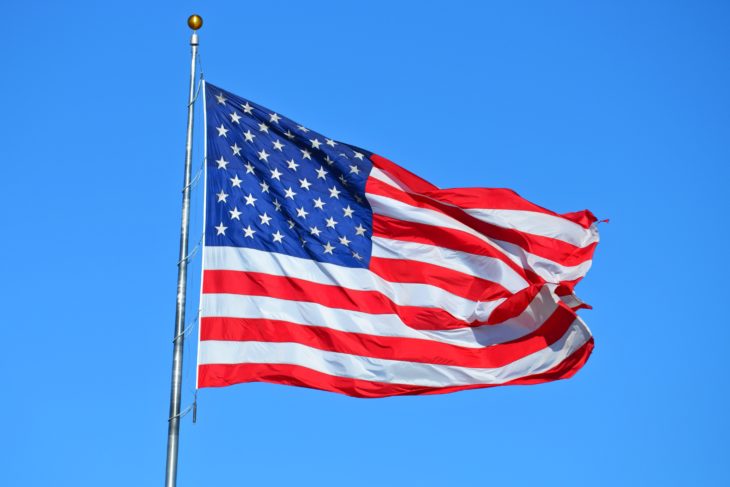
On 4 July, the United States marked the 250th anniversary of the American Republic, founded upon the Declaration of Independence in 1776. The Declaration proclaimed that all people are created equal and are endowed by their Creator with certain unalienable rights, and that governments derive their legitimacy from protecting those rights and promoting justice and the common good.
Inspired by these ideals, the American colonies launched the Revolutionary War with a volunteer force that was initially poorly trained and inadequately equipped. Against formidable odds, they defeated Great Britain, then the world’s leading imperial power, and secured American independence. Thirteen years later, the ideals of the American Revolution helped inspire the French Revolution of 1789. Over time, these principles have profoundly influenced political thought worldwide because they reflect universal human aspirations for liberty, equality, and self-government.
The central premise of the American democratic experiment has been that political authority ultimately belongs to the people. It rejects authoritarian rule, whether exercised by monarchs, military dictators, or any other unelected authority.
President Abraham Lincoln later captured this ideal in his immortal description of democracy as “government of the people, by the people, and for the people.” Yet the reality of early America fell far short of the Declaration’s lofty promises. Millions remained enslaved, while women—who constituted half the population—were denied the right to vote until the ratification of the Nineteenth Amendment in 1920. Since its founding, the United States has been engaged in an unfinished journey to bridge the gap between its founding ideals and its political reality. That journey, marked by remarkable achievements as well as painful setbacks, continues today.
Despite its contradictions and failures, the United States gradually emerged as a global champion of constitutional government, individual liberty, and human rights under leaders such as Abraham Lincoln and President Woodrow Wilson. Until Wilson’s presidency, American foreign policy was largely shaped by isolationism, while much of the world remained under European colonial domination. Wilson fundamentally transformed America’s international role by articulating a foreign policy based on international cooperation, national self-determination, collective security, and the rule of law.
Although many of Wilson’s proposals were rejected by influential political opponents at home, the catastrophic destruction of the Second World War led many statesmen to conclude that dismissing his vision had been a historic mistake. They believed that a stronger international system based upon law and collective security might have prevented another global conflict. Under President Franklin D. Roosevelt, many of Wilson’s principles were revived and incorporated into the post-war international order through institutions such as the United Nations.
Many scholars argue that had successive American administrations adhered more consistently to Wilson’s principles, the United States might have advanced its long-term national interests more effectively while avoiding many costly military interventions. Wilson believed that America’s greatest strength lay not merely in its military power but in its moral leadership and its willingness to stand with peoples struggling for freedom, dignity, and self-government. Roosevelt largely shared this broader strategic vision.
Today, however, many observers believe that the United States is experiencing a profound erosion of the democratic values it has struggled to uphold over the past two and a half centuries. Critics argue that elite-driven policymaking, prolonged military interventions, support for controversial wars, and even the engagement in a genocide caused America to lose its moral integrity and leadership in the world, and caused a multi-polar world to emerge as a result.
A multi-polar world is not a bad idea at all. Better checks and balances at the geopolitical level may help restore the world order, which is facing dysfunction, mainly due to Washington’s failed policies under leaders like Joe Biden and Donald Trump. Since the Kennedy administration, succeeding administrations have succumbed to elite domination, leading to failed policies.
Sometimes it takes time for the nation to make a U-turn to reclaim itself. In the late 1960s and early 1970s, the American public fought to reclaim their nation, it succeeded. Washington, sensing the collective will of the people to stop reckless militarism and the dangerous nuclear arms race during the Cold War, made a U-turn. The visionary China policy and the diplomacy of détente with the Soviet Union in the 1970s and 1980s ended the Cold War. A wave of diplomacy, trade, and constructive engagement swept the world, and globalization ensued, which saved two billion people from poverty worldwide. It all started with the American people coming together to direct Washington. Hopefully, the American public may again become a catalyst for positive change in the world.
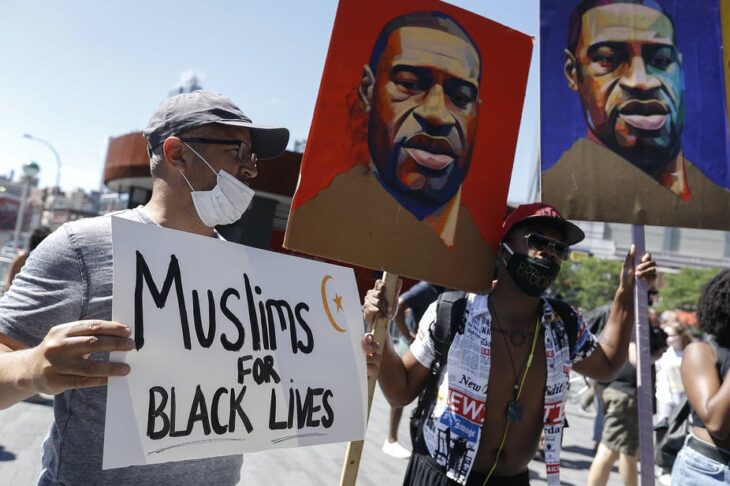
However, optimism comes from the fact that the struggles of the last 250 years demonstrate that America is a self-critical, self-correcting, and resilient nation. Starting from the Revolutionary War, the Civil War to abolish slavery, the collective bargaining movement to establish workers’ rights and welfare, the women’s liberation movement to achieve gender parity, and the Civil Rights Movement to establish civic nationalism. All these struggles helped America achieve core national values, which will hopefully not disappear.